
2 Indian-flagged vessels targeted in Hormuz, New Delhi summoned Iran’s diplomate
(Forelines) – April 18, 2026 — Two Indian-flagged commercial vessels were forced to turn back after encountering Iranian gunboats in the Strait of Hormuz, heightening concerns over the safety of key maritime trade routes amid rising regional tensions. India’s Ministry of External…
From the Forelines news archive. This report was published on 18 April 2026, before Forelines moved its focus to research and analysis. See our latest research →
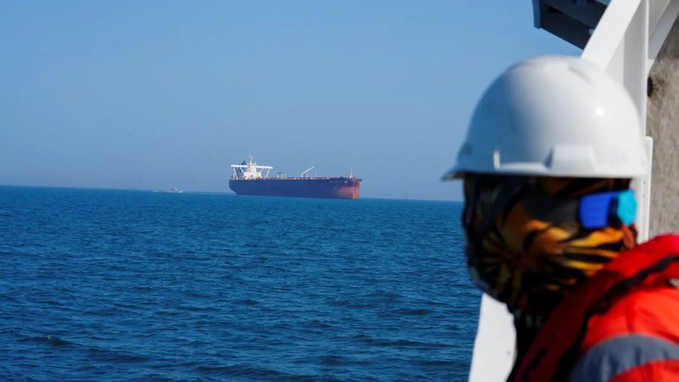
(Forelines) – April 18, 2026 — Two Indian-flagged commercial vessels were forced to turn back after encountering Iranian gunboats in the Strait of Hormuz, heightening concerns over the safety of key maritime trade routes amid rising regional tensions.
India’s Ministry of External Affairs (MEA) confirmed that the ships, both oil carriers including a very large crude carrier (VLCC), were approached while transiting the narrow waterway. The vessels withdrew toward safer waters following the incident. No casualties or significant damage were reported.
The encounter comes as Iran tightens its control over the strategic strait, a vital corridor for global oil shipments. Iranian forces, including the Islamic Revolutionary Guard Corps (IRGC), have warned that ships attempting to pass without authorization could face action. Reports indicate that warning fire was directed near the Indian vessels, prompting their retreat.
In response, India summoned Iran’s ambassador in New Delhi to lodge a formal protest. Foreign Secretary Vikram Misri expressed serious concern and emphasized the importance of ensuring the safety of Indian vessels and crew. India also called for the uninterrupted movement of its ships through the strait and urged steps to reduce tensions.
The incident has raised alarms over potential disruptions to energy supplies. A significant share of India’s crude oil imports passes through the Strait of Hormuz, and several tankers have reportedly altered course or suspended transit due to heightened risk. Maritime tracking data suggests a growing number of vessels are avoiding the area.
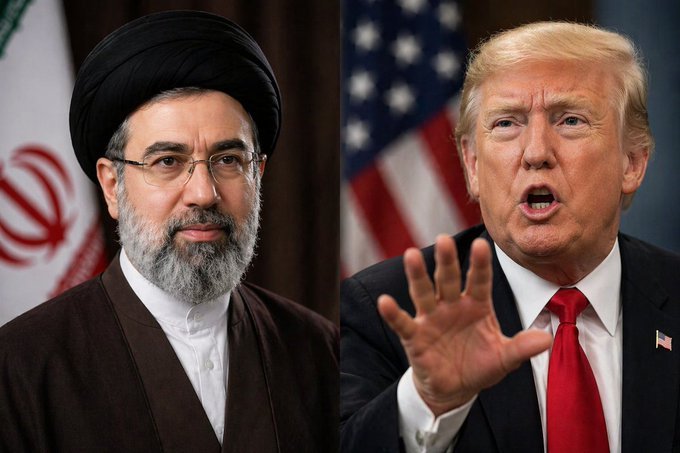
The broader standoff between Iran and the United States continues to intensify. Tehran has defended its actions as a response to U.S. restrictions, while Washington has warned against any attempt to use the strait as leverage. International actors, including European nations, have called for the restoration of safe navigation, citing risks to global trade and energy markets.
Although no injuries were reported, the incident underscores the increasing vulnerability of commercial shipping in one of the world’s most critical energy corridors. With tensions unresolved, uncertainty persists over the security of maritime operations in the region.

Written by
Forelines
Editorial Team
Research, analysis and reporting from the Forelines editorial team.